A boutique hotel in Dubai rebranded its guest bathrooms last year. The new amenity program included toilet paper rolls embossed with the property’s monogram, wrapped in wax-paper sleeves printed with the spa logo, and packed in cartons color-matched to the lobby palette. The procurement team did not source this from a retail catalog. They sent a spec sheet to a B2B tissue factory and asked for a private-label run.
This is the hospitality segment of personalized toilet paper — and it operates under different rules than the general custom-print market. Hotel buyers care about guest-facing branding, co-branded amenity programs, and packaging that aligns with interior design. They order in smaller increments than retail distributors but expect higher print quality and tighter color control. This guide covers what hospitality procurement teams and their sourcing agents need to specify when ordering personalized toilet paper from a virgin-pulp export factory.
Key Takeaways
- Hospitality personalized toilet paper differs from retail private label in three ways: smaller MOQ tolerance, higher print-quality expectations, and amenity-program integration.
- Logo placement options include master carton print, inner wrap print, tissue embossing, and core stamping — each with different cost and visual impact.
- Custom orders require a 1×40’HQ container minimum, with 25–30 working days first-production lead time plus 5–7 days for plate making.
- Hotels should request food-contact-safe materials and no-fluorescent-agent certification for guest-room tissue.
- Artwork must be vector format (AI/PDF), approved via physical proof before mass production begins.
Why Hospitality Buyers Specify Personalized Tissue Differently Than Retail
Retail buyers optimize for shelf impact and price-per-roll. Hotel procurement teams optimize for guest experience consistency. The difference shows up in three places:
Print quality tolerance is lower. A retail shopper glances at a package for two seconds. A hotel guest handles the product in a well-lit bathroom at arm’s length. Misregistered logos, color banding, or fuzzy embossing that a retail buyer would not notice becomes a guest complaint in a hospitality setting. Hotels specify tighter registration tolerances (typically ±1 mm vs ±2 mm for retail) and require Pantone color matching rather than approximate CMYK.
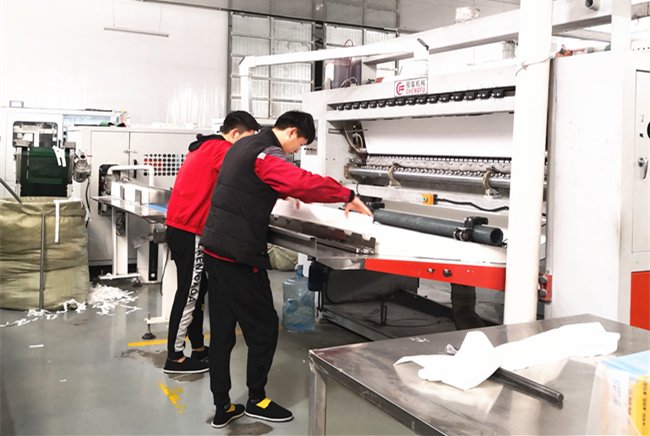
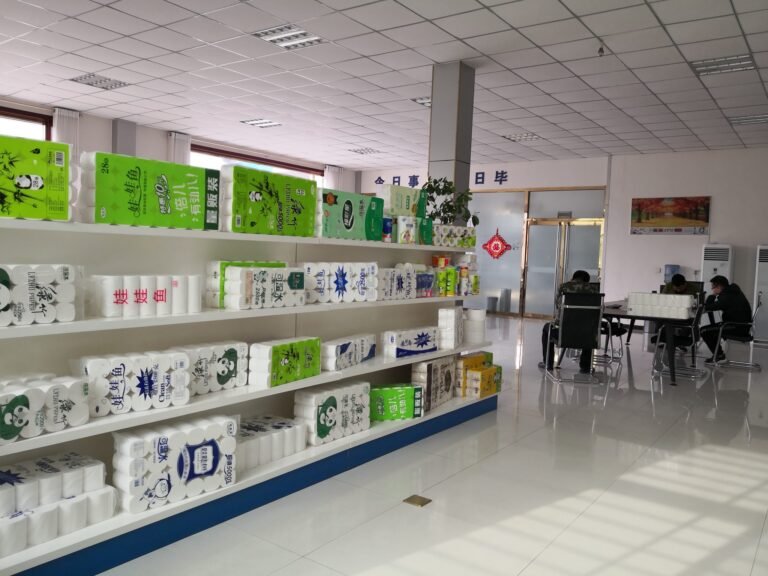
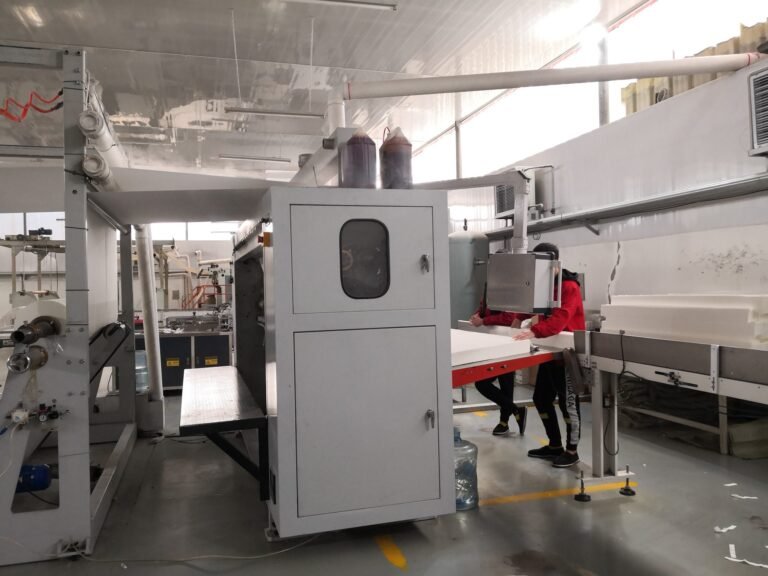
Packaging integrates with the amenity program. Hotels do not buy toilet paper in isolation. The guest-room tissue must coordinate with the facial tissue box, the hand towel, the napkin, and sometimes the amenity kit. This means the factory may need to produce multiple product lines with matched branding — a single artwork applied across toilet paper, facial tissue, and napkin packaging. Not every factory can handle cross-product consistency. Private label manufacturing capabilities that span multiple tissue categories under one roof reduce the risk of color drift between product lines.
Order volumes are smaller but more frequent. A hotel chain might reorder every 6–8 weeks rather than quarterly. Each reorder needs to match the original print exactly. This is where the factory’s plate storage policy matters: your design files should be archived permanently, and reorders should ship without new plate charges. If a factory quotes a plate fee on every reorder, the cost compounds across a year of frequent hotel orders.
Where the Logo Sits: Four Placement Options
Personalized toilet paper offers four distinct branding surfaces. Each serves a different purpose, and hotels often combine two or three:
| Placement | Visibility | Cost Impact | Best For |
|---|---|---|---|
| Master carton print | Back-of-house only (housekeeping) | Lowest — standard flexo print | Staff identification, inventory management |
| Inner wrap / sleeve print | Guest-visible on first touch | Medium — requires printed PE or wax paper | Brand reveal moment, amenity program integration |
| Tissue embossing | Guest-visible during use | Medium — requires custom embossing roller | Subtle luxury branding, tactile identity |
| Core stamping | Visible when roll is in dispenser | Low — ink stamp on cardboard core | Budget branding, visible without unwrapping |
The most common hospitality combination is inner wrap print plus tissue embossing. The inner wrap creates the first-impression brand moment when housekeeping places the roll in the bathroom. The embossing reinforces the brand every time a guest uses the product. Master carton print is included by default for housekeeping identification.
Embossing as a Brand Surface
Tissue embossing is not just decorative — it is a proprietary branding surface. A custom embossing roller carries your logo or pattern in relief, pressing it into the paper surface during converting. The result is a subtle, tactile mark that guests feel before they see.
For hospitality orders, the embossing roller is a one-time tooling cost (typically amortized into the first order’s unit price). The roller is then stored at the factory for all future reorders — similar to how printing plates are stored. Embossing specification options include micro embossing (fine detail, best for logos), edge embossing (border patterns), and deco embossing (full-surface decorative patterns).
One constraint: embossing works best on 2-ply and 3-ply tissue. Single-ply rolls are too thin to hold a clean embossed impression. For hotel guest-room tissue, 2-ply is the standard — it balances softness, strength, and embossing clarity. The factory’s 100% virgin wood pulp specification ensures the fiber is long enough to hold the embossed pattern without breaking down during use.
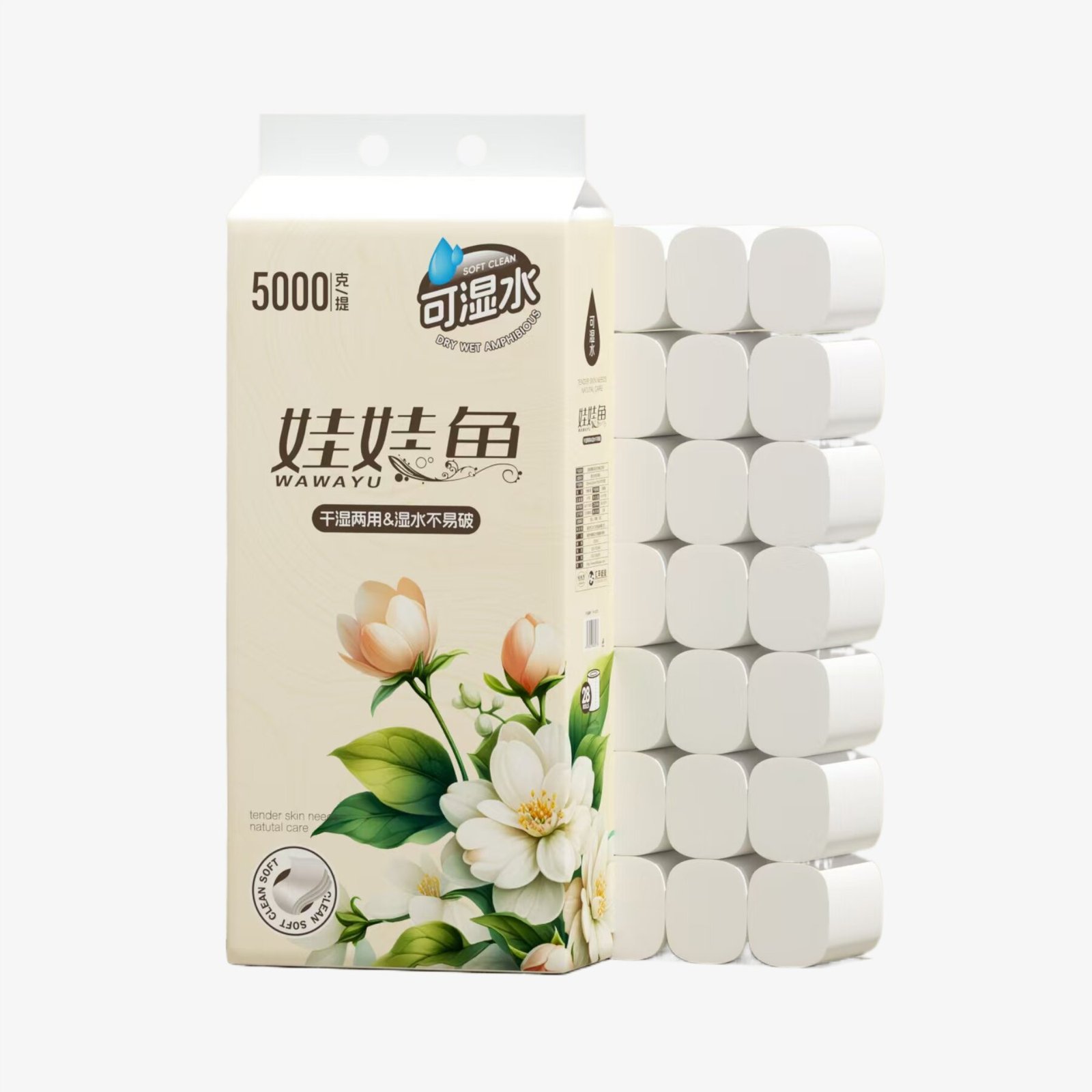
Specifying the Product Underneath the Brand
The branding sits on top of a tissue product that must perform. Hotel guests judge the entire experience — if the paper is thin, rough, or disintegrates too quickly, the logo does not save the impression. Here are the specs that matter for hospitality-grade personalized toilet paper:
- Ply: 2-ply standard. 3-ply for luxury properties. 1-ply for budget/economy segments or staff areas.
- GSM: 13–18 GSM per ply is the standard range for toilet paper. Hotels targeting mid-to-upper segments typically specify 15–17 GSM per ply for adequate softness without excessive cost.
- Material: 100% virgin wood pulp. Hotels should avoid recycled fiber for guest-room tissue — the softness and brightness of virgin pulp match guest expectations. The material is food-contact safe and contains no fluorescent brightening agents.
- Embossing: Micro embossing for logo clarity. Edge embossing for decorative borders. The embossing also improves paper hand-feel by creating air pockets between plies.
- Water-solubility: Hotel plumbing systems — especially in older properties — require tissue that breaks down quickly in water. The factory’s flushable, septic-safe formulation addresses this.
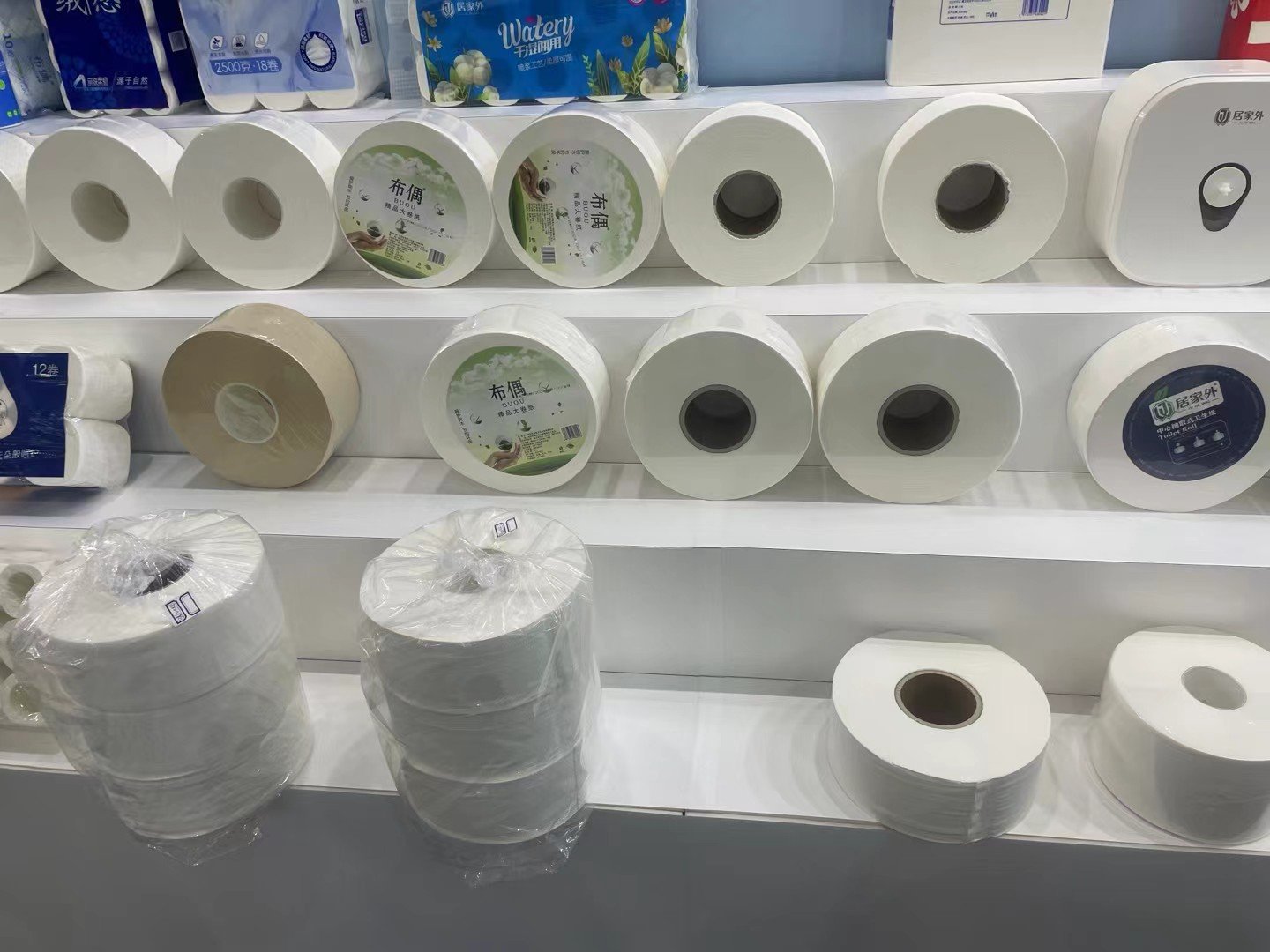
Hospitality-Specific Packaging Requirements
Beyond the branding surfaces, hotel orders have specific packaging needs that differ from retail:
Individual wrapping. Each roll (or pair of rolls) is wrapped in a printed PE or wax-paper sleeve for hygiene protection. This is both a branding surface and a sanitary barrier — important when housekeeping stores spare rolls in open cabinets.
Compact carton sizing. Hotel storage rooms are small. Cartons are sized to fit through standard service elevator doors and stack on narrow shelving. A typical hotel-order carton holds 48–96 rolls (depending on roll size), compared to retail cartons that may hold 24–36 packs for shelf display.
Lot coding for rotation. Each carton carries a production lot code and date for FIFO (first-in, first-out) inventory rotation. Hotels with multiple properties need lot codes to track which shipment went to which location.
Moisture-proof packing for tropical destinations. Hotels in Southeast Asia, the Middle East, and the Caribbean receive shipments that have crossed tropical ocean routes. The standard export packing protocol — waterproof corrugated cartons, fumigation-free pallets, high-tensile strapping, and container seal inspection — is essential. The factory ships from Tianjin Xingang Port with full loading documentation including moisture-proof packing photos and inspection video.
Ordering Workflow for Hospitality Personalized Tissue
The ordering process for a hotel personalized toilet paper program follows this sequence:
| Step | Action | Timeline |
|---|---|---|
| 1 | Send spec sheet (ply, GSM, roll size, branding surfaces, quantities) and vector artwork | Day 0 |
| 2 | Receive quote (FOB/CIF/CFR/EXW) and confirm | Day 1–3 |
| 3 | Factory produces dieline and physical proof | Day 4–10 |
| 4 | Buyer approves proof (or requests corrections) | Day 10–13 |
| 5 | Mass production (including plate making, printing, converting, packing) | Day 13–43 (25–30 working days) |
| 6 | Final QC, loading documentation, container departure | Day 43–45 |
Reorder lead time drops to 20–25 working days since plates and embossing rollers are already stored. Payment terms follow the standard structure: 30% T/T deposit, 70% balance before shipment, with quality inspection reports and container seal video provided before the balance is due.
Coordinating Multiple Product Lines Under One Brand
Hotels that personalize toilet paper often want matching facial tissue, hand towels, and napkins. The advantage of sourcing all four from a single factory is color consistency — the same Pantone reference drives print across all packaging, and the same embossing pattern can carry through the tissue and napkin lines.
When ordering multiple product lines, confirm that the factory produces all four categories in-house. Factories that subcontract one or more categories cannot guarantee color match across lines. The factory’s product range should cover paper hand towels, facial tissue, napkins, and toilet paper — all from the same 100% virgin wood pulp base material and the same print facility.
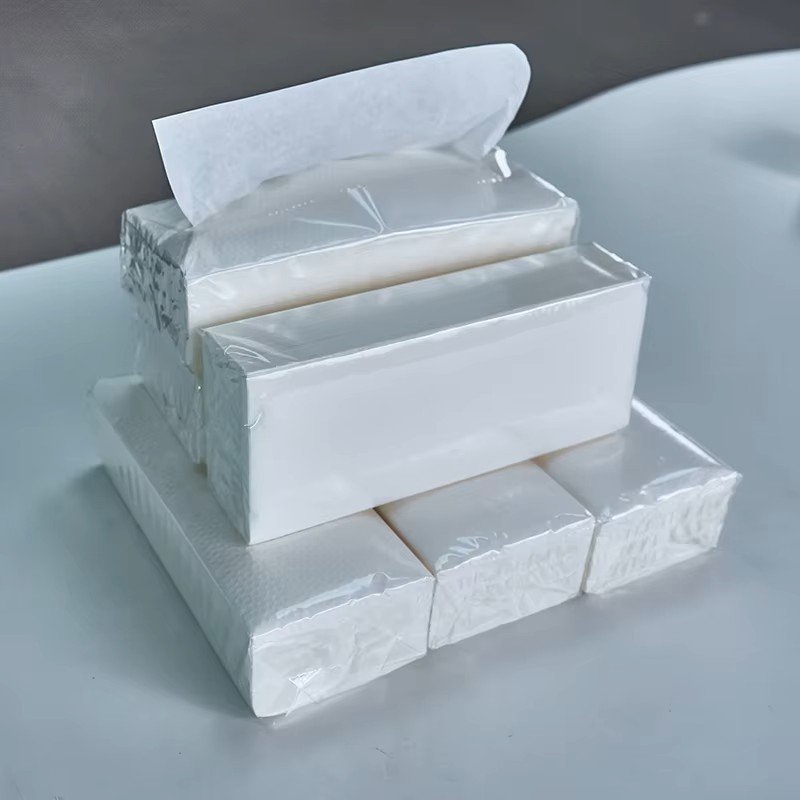
Quality Documentation for Hospitality Procurement
Hotel procurement departments require documentation that retail buyers typically do not. For personalized toilet paper orders, expect to receive:
- COA (Certificate of Analysis): Covers tensile strength, brightness, and 100% virgin fiber verification. This is the document that proves the tissue meets the spec you ordered.
- Burst-resistance inspection video: Shows the wet-strength test of the actual production batch. Hotels with strict facility standards use this to verify that the tissue performs in high-humidity bathrooms.
- Loading and packing photos: Document the moisture-proof packing protocol and container seal integrity before departure.
- Food-contact compliance: The tissue is manufactured without fluorescent brightening agents and meets food-contact safety standards. For hotels with spa or dining-area restrooms, this documentation supports internal compliance audits.
Frequently Asked Questions
What is the minimum order for personalized toilet paper with my hotel’s logo?
The minimum order for custom printed packaging is 1x 40’HQ container. This applies to all personalized tissue orders regardless of the buyer’s industry. The 40HQ threshold exists because printing plate setup costs are amortized across the container volume. For hotels that cannot fill a 40HQ in a single order, consider combining toilet paper with facial tissue, hand towels, and napkins in the same container to reach the threshold.
Can I order a sample before committing to a full container?
Sample rolls can be produced before the full order. The factory provides sample production within 1–3 working days. For personalized orders, the sample uses your actual artwork on the specified packaging format so you can evaluate print quality, embossing clarity, and paper feel before approving mass production.
How do I ensure color consistency across reorders?
Approve a physical proof before the first production run. The factory archives this approved proof as the color standard. On reorders, the production team matches the archived proof — not the digital file. If color drift is ever observed, reference the approved proof and request a press match. Pantone references in your artwork file provide an additional objective standard.
Can the same logo appear on toilet paper, facial tissue, and napkins?
Yes, and this is common in hospitality amenity programs. The factory produces all four categories in-house, so the same vector artwork and Pantone reference drive print and embossing across all product lines. This ensures visual consistency that is impossible to achieve when sourcing different categories from different factories.