Every container of tissue paper that crosses a border carries a stack of paperwork. The paper inside is commodity-grade — 100% virgin wood pulp, embossed, converted to spec. The paper outside — certificates, test reports, compliance declarations — is what separates a shipment that clears customs and satisfies buyers from one that gets held at port or rejected on arrival.
This listicle covers the eight certifications and QC reports that B2B tissue importers should request before placing an order — and verify before releasing the final payment. Each entry explains what the document certifies, who issues it, and when it matters for your specific market.
Key Takeaways
- Eight core documents cover quality, safety, and compliance for tissue paper imports: COA, ISO 9001, FDA compliance, EU 1935/2004, FSC, ISPM-15, SGS/TUV inspection reports, and the factory’s 3-stage QC report package.
- The COA (Certificate of Analysis) is the single most important document — it verifies tensile strength, brightness, and fiber composition of the actual production batch.
- Food-contact compliance (FDA or EU) is mandatory for kitchen paper towels and napkins, and strongly recommended for all tissue products.
- FSC certification is increasingly required by European and North American retail buyers as a condition of supply.
- Always request documents before ordering, not after — if a factory cannot provide them upfront, it will not provide them after you have paid.
1. COA — Certificate of Analysis (Batch-Specific)
The COA is the factory’s test report for the specific batch of tissue being shipped. It is not a generic certificate — it references the production lot number and includes measured values for:
- Tensile strength: Measured in both machine direction (MD) and cross direction (CD). This tells you whether the paper will tear during converting or use.
- Brightness: Measured on a 0–100 scale (ISO 2470). A brightness of 85+ is standard for white tissue; lower values indicate less bleaching or the presence of mechanical pulp.
- Fiber composition: Verification that the pulp is 100% virgin wood fiber with no recycled content. This is tested by fiber morphology analysis under microscopy.
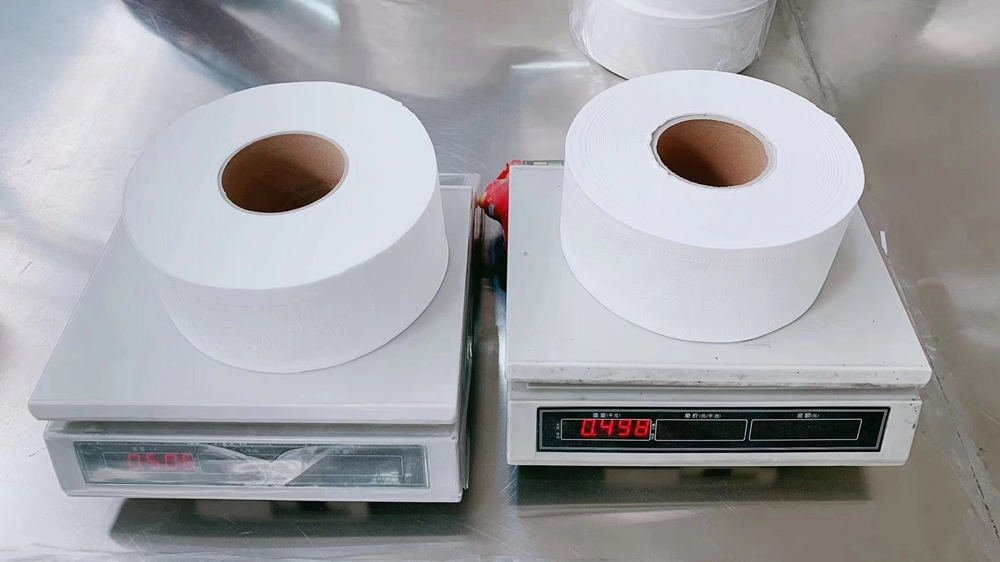
The COA is the document that proves the factory delivered what you ordered. If your spec calls for 15 GSM 2-ply virgin pulp tissue and the COA shows 13 GSM or mixed fiber, you have grounds to reject the shipment before it leaves the port. A reputable factory provides the COA as standard deliverable — along with burst-resistance inspection video and loading photos — with every shipment.
2. ISO 9001 — Quality Management System
ISO 9001 certifies that the factory operates a documented quality management system. It does not certify the tissue product itself — it certifies the factory’s processes for consistent production, traceability, and corrective action.
For tissue importers, ISO 9001 matters because it signals that the factory has systematic controls over incoming raw material inspection, in-process quality checks, and final product testing. Without it, quality depends on individual operators rather than documented procedures.
Verify that the ISO 9001 certificate is current (issued within the last 3 years) and covers the specific factory location — not a parent company or trading entity at a different address. The certificate should be issued by an accredited certification body, not a self-declared statement.
3. FDA 21 CFR Compliance — US Food-Contact
For kitchen paper towels, napkins, and any tissue product that contacts food, US-bound shipments must comply with FDA 21 CFR Part 176 — the regulation for indirect food additives (paper components in contact with aqueous and fatty foods). This is not a certification that FDA issues; it is a self-declaration by the manufacturer that the product meets the regulation’s requirements.
The factory’s compliance declaration should state that the tissue is manufactured from 100% virgin wood pulp, without fluorescent brightening agents or harmful chemical additives, and that all materials in contact with food (including packaging films and inks) meet FDA requirements. Request this declaration in writing before ordering. If the factory cannot provide it, the product is not suitable for food-contact applications in the US market.
4. EU Regulation 1935/2004 — European Food-Contact
The European equivalent of FDA compliance is Regulation (EC) No 1935/2004 on materials and articles intended to come into contact with food. For tissue paper, this regulation requires that the product does not transfer substances to food in quantities that could endanger human health.
European buyers should request a Declaration of Compliance (DoC) from the factory, stating that the tissue meets the regulation’s requirements. The DoC should reference the specific product type, the materials used, and any conditions of use (e.g., not suitable for microwave use). For kitchen paper towels and napkins exported to the EU, this document is mandatory — customs authorities in Germany, France, and Italy routinely check it.
5. FSC Certification — Forest Stewardship Council
FSC certification verifies that the wood fiber in the tissue comes from responsibly managed forests. It is increasingly required by European and North American retail buyers as a condition of supply — particularly for own-brand (private label) tissue products sold in major supermarket chains.
There are three FSC label types:
- FSC 100%: All fiber comes from FSC-certified forests. This is the gold standard for tissue importers.
- FSC Mix: A blend of FSC-certified fiber, recycled fiber, and/or controlled wood. Common for tissue products that include some recycled content.
- FSC Recycled: 100% recycled fiber. Not applicable to 100% virgin pulp tissue.
For factories producing 100% virgin wood pulp tissue, FSC 100% is the relevant label. Verify the factory’s FSC certificate number on the FSC public database. The certificate should cover the specific mill and product category. FSC certification is an annual audit — check that the certificate has not expired.
6. ISPM-15 — Pallet Treatment for International Shipping
ISPM-15 (International Standards for Phytosanitary Measures No. 15) governs wood packaging material used in international trade. Any wood pallet, crate, or dunnage used to ship tissue paper must be heat-treated and stamped with the ISPM-15 mark.
This is not a product certification — it is a shipping requirement. Containers arriving in the US, EU, Australia, and most other markets without ISPM-15-compliant pallets face delays, treatment-at-port charges, or outright rejection. The factory should use fumigation-free, heat-treated pallets (the standard for virgin pulp tissue export from China) and provide documentation of ISPM-15 compliance with each shipment.
The ISPM-15 mark on the pallet includes the IPPC logo, country code, producer code, and treatment code (HT for heat treatment). Inspect the pallets when the container arrives — if the mark is missing or illegible, the pallets may not have been properly treated.
7. SGS / TUV Third-Party Inspection Reports
SGS and TUV are independent third-party inspection companies that can audit the factory, test product samples, and verify shipment quality. Their reports carry more weight than the factory’s own QC documentation because they come from an organization with no financial interest in the transaction.
Third-party inspection is particularly valuable for:
- First orders: Before you have established a quality track record with the factory.
- Large orders: Where the financial risk of defective goods is significant.
- New product categories: Where you lack internal expertise to evaluate the product.
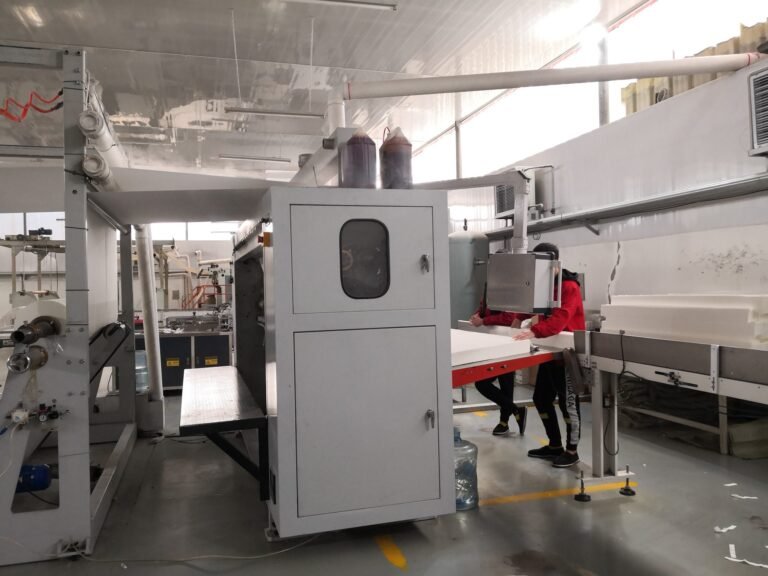
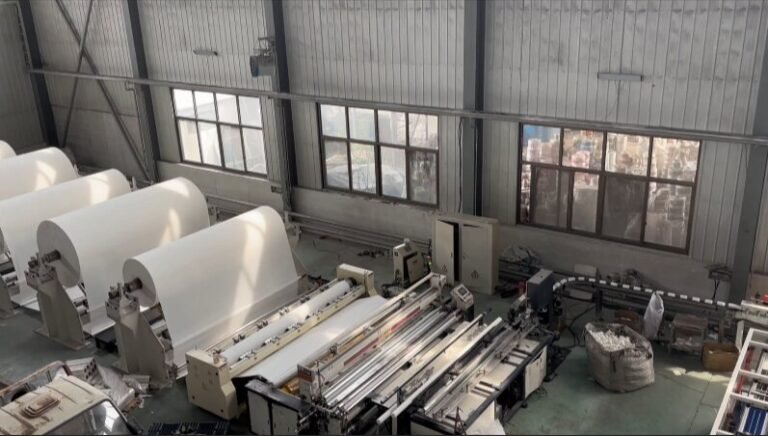
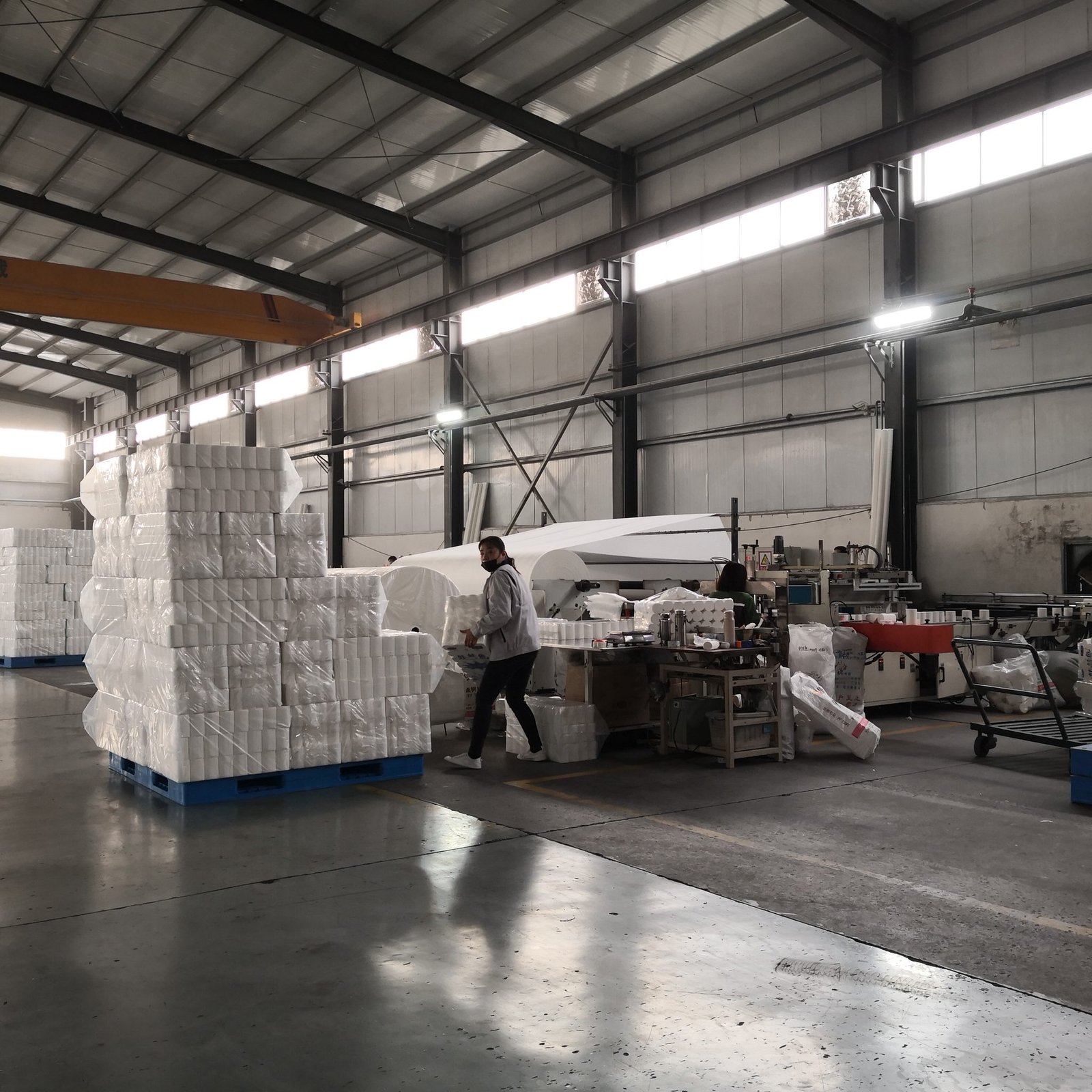
The factory’s 3-stage QC process (parent roll inspection, in-process inspection, final inspection) should produce internal reports covering tensile strength, GSM, brightness, embossing quality, and packaging integrity. A third-party inspector verifies that the factory’s own QC is being executed correctly — they do not replace the factory’s QC, they audit it.
Request the SGS or TUV report before shipment. The report should include the inspector’s findings, any non-conformities identified, and the factory’s corrective actions. If the report shows unresolved non-conformities, hold the shipment until they are addressed.
8. Factory 3-Stage QC Report Package
Beyond the external certifications, every shipment from a qualified tissue export factory should include a complete QC documentation package:
| Document | Covers | When Provided |
|---|---|---|
| COA (Certificate of Analysis) | Tensile strength, brightness, 100% virgin fiber verification | With every shipment |
| Burst-resistance inspection video | Wet-strength test of production batch | With every shipment |
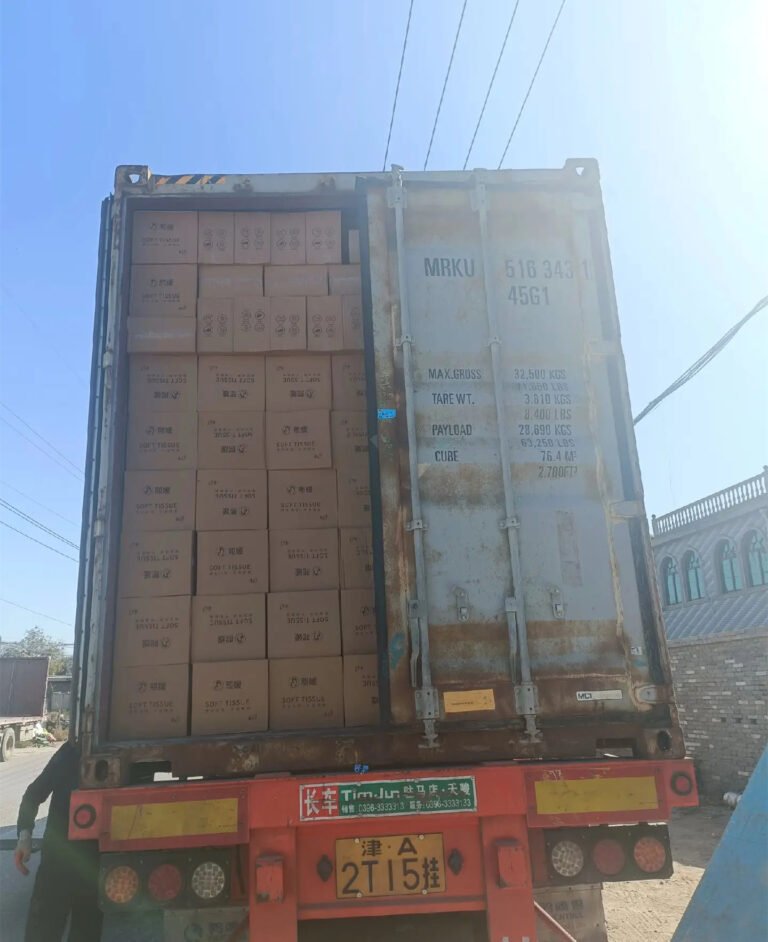
| Loading photos/video | Moisture-proof packing, container seal, pallet stacking | With every shipment |
| Packing list | Carton count, roll count, net/gross weight, container number | With every shipment |
| Commercial invoice | Value, terms (FOB/CIF/CFR/EXW), payment status | With every shipment |
This package is the factory’s deliverable, not an optional extra. If a supplier cannot provide all five documents with every shipment, their quality system is not mature enough for B2B export. The factory capacity and QC evaluation guide covers how to assess whether a supplier’s documentation practices meet export standards.
When Each Document Matters Most
Not every document is equally important for every order. Here is a priority guide:
- All orders (mandatory): COA, packing list, commercial invoice, ISPM-15 compliance, factory QC package.
- US market (mandatory): FDA 21 CFR compliance declaration for food-contact products.
- EU market (mandatory): EU 1935/2004 Declaration of Compliance for food-contact products; FSC increasingly required by retail buyers.
- First order or large order (recommended): SGS/TUV third-party inspection report.
- Retail private label (often required): FSC 100% or FSC Mix certification.
Frequently Asked Questions
Can the factory provide all these certificates, or do I need to arrange third-party testing myself?
A qualified tissue export factory provides the COA, factory QC package, ISPM-15 documentation, and food-contact compliance declarations (FDA and/or EU) as standard deliverables. ISO 9001 and FSC are factory-level certifications that the factory holds independently. SGS/TUV third-party inspection is arranged by the buyer and paid for by the buyer — it is not the factory’s responsibility, though the factory should cooperate fully with the inspector’s visit.
What if the factory cannot provide a COA for my shipment?
Walk away. The COA is the most basic quality document — it proves that the factory tested the actual batch being shipped. A factory that cannot provide a COA either does not test its product or is hiding the results. Either scenario is a deal-breaker for B2B tissue importing.
Are these certifications one-time or do they need renewal?
ISO 9001 and FSC certificates are annual — verify that they are current before each order. The COA is batch-specific — it should reference the production lot number of your shipment. FDA and EU compliance declarations are product-specific and remain valid as long as the product formulation and manufacturing process do not change. ISPM-15 applies to each shipment’s pallets — every pallet must carry the mark.
Do I need all eight documents for every order?
No. The mandatory documents for every order are the COA, factory QC package, packing list, commercial invoice, and ISPM-15 compliance. Food-contact declarations are mandatory only for products that contact food (kitchen towels, napkins). FSC is mandatory only when your buyer or market requires it. SGS/TUV inspection is recommended for first orders and large orders but not required for routine reorders from an established supplier.